GLAUCOMA, The Silent Thief of Sight
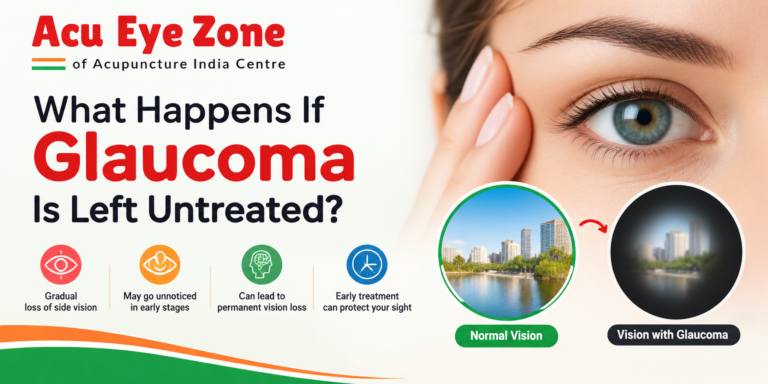
Glaucoma is also known as the silent thief of sight because it silently damages the optic nerve, most of the time without pain or any irritation in the eyes.
This is a group of diseases in which the optic nerve is damaged, mostly due to raised Intraocular Pressure or sometimes even with normal Pressure optic nerve is damaged.
What is the optic nerve? What We See:
Images are formed at the back of the eye at the retina; information about images is transmitted to the visual cortex area in the brain; only then we can see, this all is seeing mechanism.
Usually, first peripheral vision is lost, and when a patient has profound loss of vision and consults an ophthalmologist, he knows what he is suffering and how serious it is.
The basic investigation and first investigation is the measurement of Intraocular Pressure done by the Modern Medicine Ophthalmologist.
Examination of the eye after dilation so that the doctor knows the condition of the optic nerve, which is visualised at the posterior portion
Perimetry test to examine the visual field is the initial investigation.
After this, the ophthalmologist prescribes eye drops so that Intraocular pressure is normalised and no further damage to the vision occurs.
But there is no treatment or technique to regenerate the lost portion of the optic nerve in modern medicine.
Here comes the role of our treatment method developed here at Acu Eye Zone slowly since the year 2000.
We can definitely regenerate the optic nerve has been proved by the investigations and results have published in international journals.
But this treatment is not popular and mostly unknown to the medical community, usually patient think as it is his or her bed luck that such a disease suffering.
If you or someone in your family has been diagnosed with glaucoma, you may have many questions. Can glaucoma be treated? What symptoms should you watch for? Is treatment always based on medicines or surgery? Where can you find suitable glaucoma treatment in Delhi?
Understanding these questions can help you take the right next step instead of delaying eye care.
Why Does Glaucoma Need Early Attention?
Glaucoma is a group of eye conditions that can damage the optic nerve. In many cases, there are few or no symptoms during the early stage. Vision loss may begin with the side or peripheral vision, making it difficult for a person to notice the problem in everyday life.
This is one reason regular eye examinations are important, particularly for people who have risk factors or a family history of glaucoma.
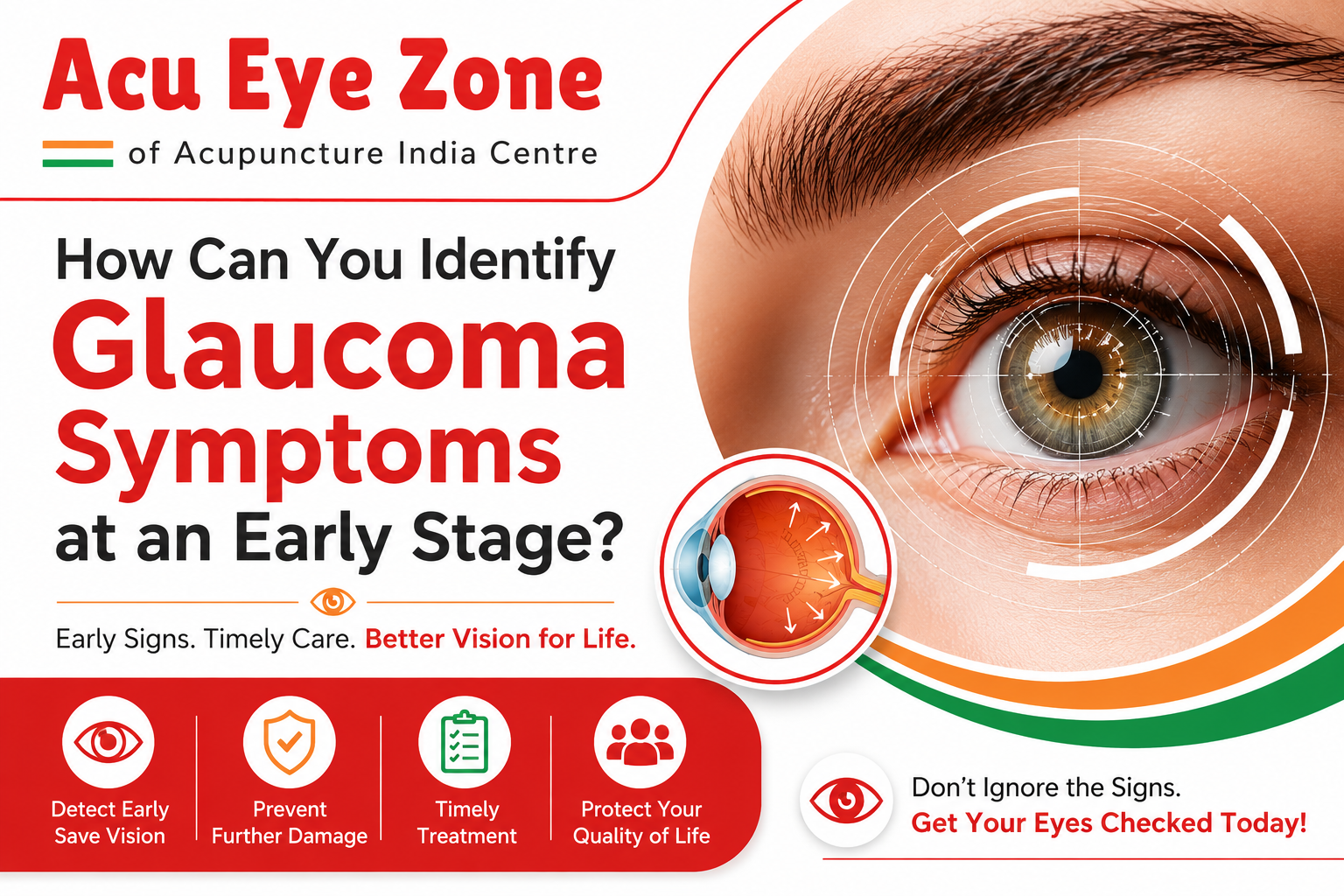
What Are the Early Signs of Glaucoma?
One of the biggest problems with glaucoma is that early symptoms may be difficult to notice.
Possible symptoms can include:
- Gradual loss of peripheral vision
- Blurred vision
- Difficulty seeing in low light
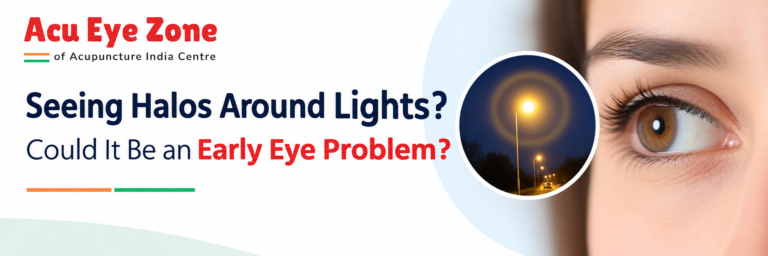
- Seeing halos around lights
- Eye discomfort or pressure
- Headaches
- Changes in vision
However, symptoms alone cannot confirm glaucoma. A comprehensive eye examination is needed for proper diagnosis. The National Eye Institute notes that glaucoma can be detected through a comprehensive dilated eye examination, including visual field testing.
When Should You Seek Immediate Medical Help?
Sudden eye pain, a red eye, nausea, and blurred vision can occur with acute angle-closure glaucoma. This can be a medical emergency and requires immediate medical attention.
Do not wait for a routine appointment if these symptoms appear suddenly.
What Are the Main Glaucoma Treatment Options?
The appropriate treatment depends on the type and severity of glaucoma and the patient’s individual eye.
Laser procedures may also be recommended for some patients. If medicines and laser treatment are not sufficient, surgery may be considered by the treating ophthalmologist.
This means there is no single treatment that is suitable for every glaucoma patient.
Can Other Therapy Be Considered Alongside Glaucoma Care?
Usually, the patient and his relationship talk about complementary therapy for Glaucoma. Why this misnomer? Complementary Therapy?
When a therapy or technique can restore a dead optic nerve, which is thought impossible by modern medicine. When a system of treatment, such as Ayurveda or Acupuncture, has rich literature, why call it Alternative Medicine or Complementary Therapy?
I am not at all critical of Modern medicine; in fact, Modern Medicine has done a lot in preserving vision, such as in cataracts and other conditions like corneal opacity, etc. Recent Gene Therapy
Basically, I am a graduate of Modern Medicine MBBS and in Acupuncture, and after seeing the results, strongly feel the integration of systems of treatment.
The current Glaucoma Treatment in Delhi page explains that Acu Eye Zone uses acupuncture with its Assimilated Technique as a new approach and recommends that patients continue their prescribed conventional glaucoma treatment and regular ophthalmologist monitoring.
This distinction is important.
How Can Glaucoma Treatment Be Planned for Your Needs?
Every glaucoma patient can have a different condition, medical history and treatment requirement.
A proper evaluation may involve understanding your symptoms, previous eye reports, medical history and current treatment. Depending on the situation, your eye specialist may perform tests to evaluate eye pressure, visual fields and the condition of the optic nerve.
A personalised approach can help determine what type of care is appropriate.
At Acu Eye Zone, the existing page describes a process involving an initial assessment, patient history, customised acupuncture sessions and regular monitoring.
What Can You Do to Protect Your Vision?
If you have glaucoma, following your treatment plan consistently is important.
Follow Your Prescribed Treatment
If your ophthalmologist has prescribed eye drops or other medicines, use them according to the instructions. Do not stop or change glaucoma medication without discussing it with your doctor. The American Academy of Ophthalmology also recommends speaking with your ophthalmologist about side effects rather than stopping treatment independently.
Attend Regular Eye Check-Ups
Glaucoma can progress without obvious symptoms, so regular monitoring is important. Your doctor can determine how frequently you need examinations based on your condition and treatment.
Tell Your Doctor About Other Treatments
If you are considering acupuncture or any other therapy, tell your ophthalmologist. This allows your healthcare providers to understand your complete treatment plan, if your ophthalmologist has an open mind
Pay Attention to Changes in Vision
Do not ignore new or worsening vision problems. Early assessment can help determine whether the symptoms are related to glaucoma or another eye condition.
Why Choose a Personalised Approach to Glaucoma Care?
Patients searching for Glaucoma Treatment in Delhi often want more than a general explanation. They want to understand what their symptoms mean, what treatment options may be available, and what they should do next.
A personalised approach starts with understanding the individual rather than assuming that the same treatment will work for everyone.
The Acu Eye Zone page highlights personalised assessment, patient history, customised sessions and progress monitoring as part of its approach.
At the same time, glaucoma is a serious eye condition, so treatment decisions should be based on proper clinical evaluation and coordinated care.
What to Do Next
If glaucoma is affecting your vision, the most important step is not to delay proper eye evaluation. Glaucoma may develop silently, and vision loss caused by optic nerve damage can be permanent. Early diagnosis and appropriate treatment can help protect the vision you still have.
If you are researching Glaucoma Treatment, learn about your condition, discuss treatment options with your eye-care professional, and continue regular monitoring. Approaches such as the Assimilated Technique may be explored.
The right approach should always be based on your individual condition, medical history and professional evaluation.