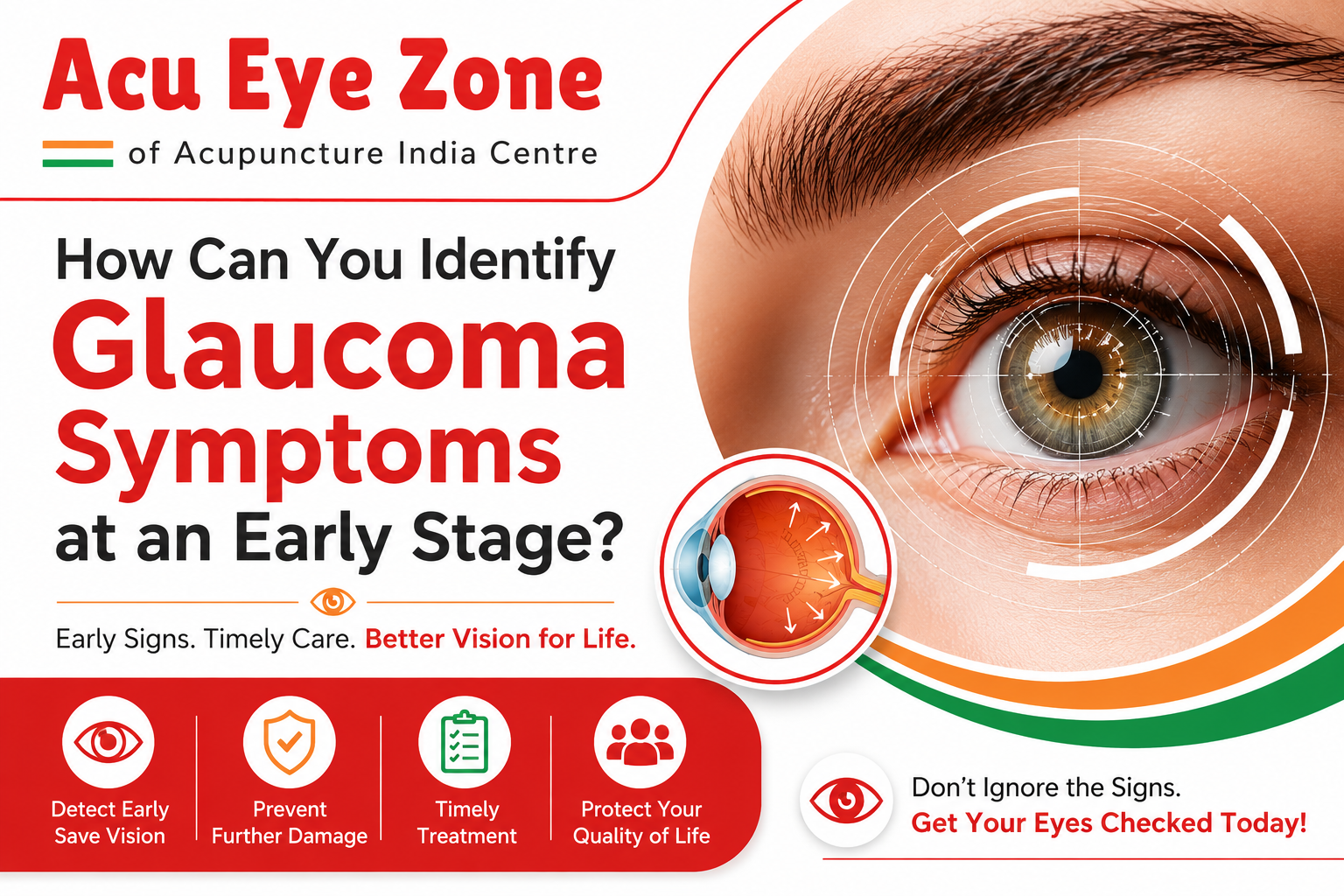
Glaucoma is an eye condition that can slowly affect the nerve responsible for carrying visual signals from the retina of the eye to the visual centres of the brain. The difficult part is that glaucoma may develop quietly. A person can feel that their eyesight is fine while the degeneration of the optic nerve is already taking place.
When glaucoma is not diagnosed or properly managed, the condition can continue to affect the optic nerve. Over time, this may cause permanent changes in vision. This is why taking eye health seriously, getting regular check-ups, and following professional advice are important.
Why Can Glaucoma Stay Hidden for a Long Time?
Many people do not notice glaucoma at the beginning because it may not cause obvious discomfort or a sudden change in eyesight.
The brain can also adapt to gradual changes in vision. For example, if vision becomes weaker in one area, a person may not immediately recognize it during normal activities.
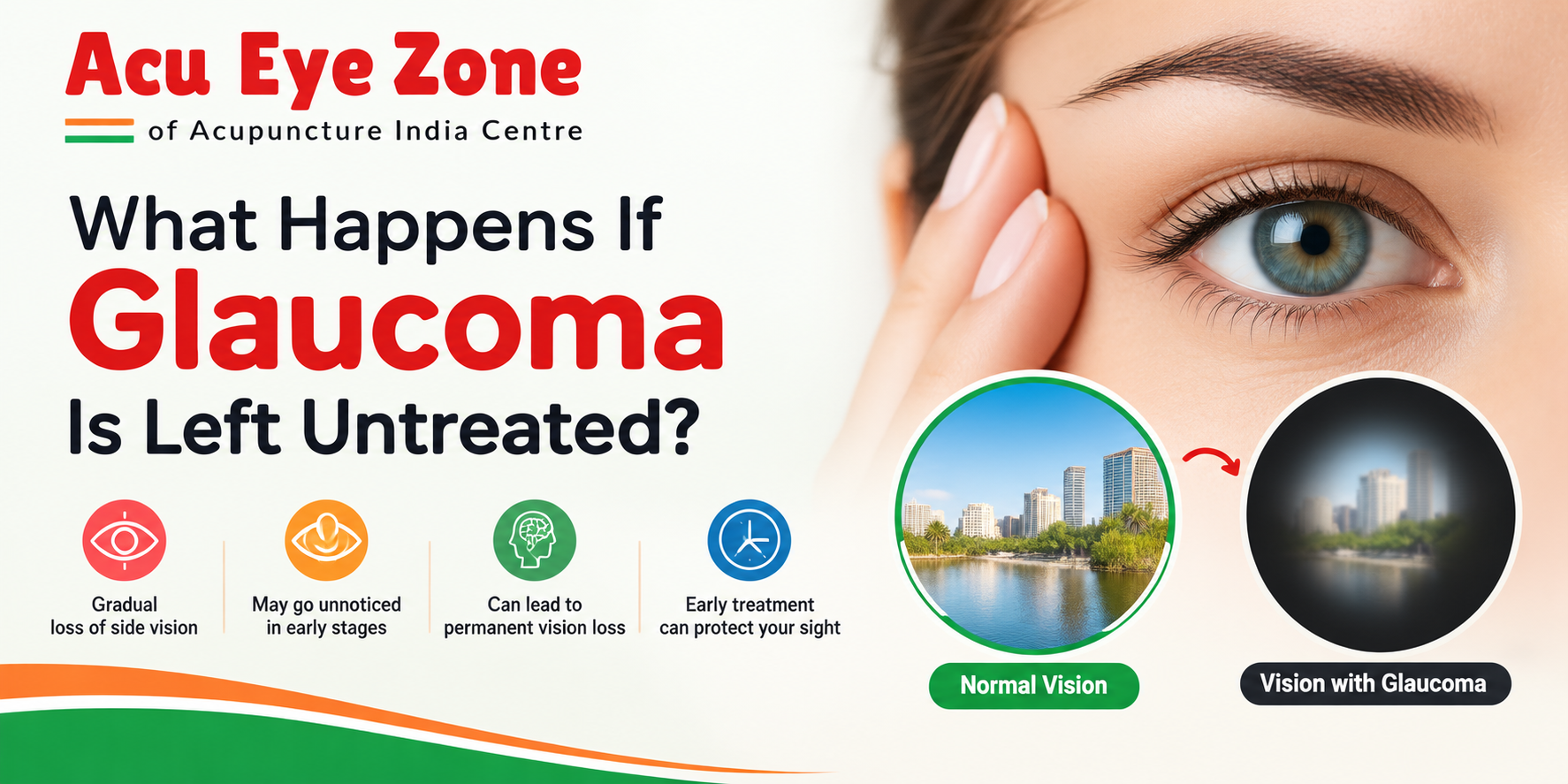
As the condition develops, side vision may become affected. Someone might start missing objects outside their direct line of sight or have difficulty noticing things around them. These changes can be easy to overlook.
This is one reason routine eye examinations matter, even when your eyesight appears normal.
What Can Happen to the Optic Nerve?
The optic nerve plays an essential role in vision. It transfers information collected by the eye to the brain, where that information is interpreted as what we see.
Glaucoma can damage the optic nerve over time. Eye pressure is an important risk factor for many people with glaucoma, but pressure levels alone do not explain every case. Some people develop glaucoma even when their measured eye pressure is within the usual range.
As optic nerve damage increases, parts of the visual field may gradually disappear.
The important thing to understand is that damage caused by glaucoma can be permanent as far as treatment by modern medicine is concerned. Therefore, the main aim of treatment and monitoring is to protect the vision that a person still has.
How Can Untreated Glaucoma Change Your Vision?
Side Vision May Slowly Reduce
One of the problems associated with glaucoma is a gradual reduction in peripheral vision.
You may still be able to read, use your phone, or look directly at an object, while your ability to notice things at the sides becomes weaker.
Because central vision can remain useful for a long period, a person may not realize that glaucoma is progressing.
Advanced Glaucoma Can Affect More of Your Vision
If optic nerve damage continues, the area of useful vision may become increasingly restricted.
In advanced disease, central vision can also be affected. Severe glaucoma may eventually result in profound vision loss or blindness.
The progression is not identical for every person. Some cases change slowly, while others can progress more quickly. This is why individual monitoring by an eye-care professional is important.
Can Vision Lost From Glaucoma Be Restored?
This is an important concern for anyone diagnosed with glaucoma.
Vision that has already been lost because of permanent optic nerve damage generally cannot be brought back by the treatment provided by modern ophthalmology. However, this does not mean that nothing can be done; our treatment developed at Acu Eye Zone with the Assimilated Technique wo can regenerate the lost fibres of the optic nerve.
Depending on the type and severity of glaucoma, an eye specialist may recommend medicines, laser procedures, surgery, or a combination of approaches as far as Modern Ophthalmology is concerned.
Starting appropriate care early can give patients a better opportunity to protect their remaining vision and recover lost vision by the Assimilated Technique.
Why Should You Not Wait for Symptoms?
Waiting until eyesight becomes noticeably worse can be risky because glaucoma may progress without clear warning signs.
A person may think, “I can still see, so my eyes must be fine.” Unfortunately, this is not always the case with glaucoma.
Regular eye examinations allow professionals to look for changes that may not yet be noticeable in everyday life. Depending on your age, family history, eye health, and other risk factors, your doctor can advise you about how often you should be examined.
What Tests Can Help Monitor Glaucoma?
There is no single test that explains everything about glaucoma. Eye specialists may use different examinations to understand the condition and track changes over time.
These may include measuring eye pressure, examining the optic nerve, checking the visual field, and using imaging or other tests when appropriate.
Looking at results over several visits can be particularly useful. It helps the eye-care professional determine whether the condition appears stable or whether further changes are taking place.
What Should You Do After Being Diagnosed?
A glaucoma diagnosis does not mean that serious vision loss is unavoidable. What matters is taking the condition seriously and following an appropriate care plan.
Take Prescribed Medicines Correctly
If your doctor has prescribed eye drops or other medication, use them according to the instructions.
Glaucoma medicines may not produce a noticeable feeling in the eyes, but they can still have an important role in managing the condition.
Never stop prescribed medication simply because your eyesight feels unchanged. If you experience side effects or have difficulty using your medicine, discuss the problem with your doctor.
Besides eye drops, our Indian heritage, such as Pranayama and food habits, has proven very helpful in keeping eye pressure under control.
Attend Your Follow-Up Visits
Glaucoma often requires ongoing observation. Your eye specialist may compare your current examination with previous results to identify any changes.
Keeping appointments also gives you an opportunity to discuss new symptoms, concerns, or difficulties with your treatment routine.
Can Acupuncture Be Used Alongside Glaucoma Management?
Some people are interested in other approaches to support their overall eye-care routine. Such approaches should be considered.
At Acu Eye Zone, acupuncture and other supportive approaches may be discussed as part of an individual’s overall eye-care needs.
When Can Glaucoma Become an Emergency?
Not every type of glaucoma develops slowly. Some forms, such as acute angle-closure glaucoma, can produce sudden and serious symptoms.
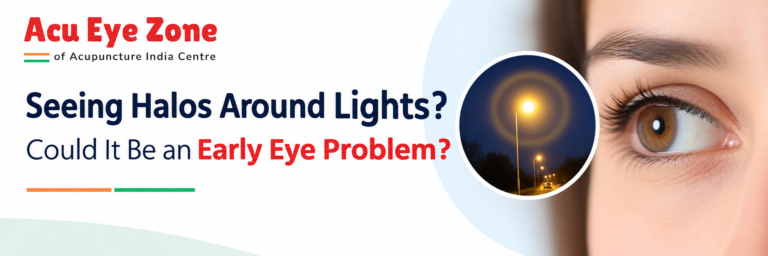
Seek urgent medical attention if you experience symptoms such as sudden severe eye pain, a very red eye, sudden blurred vision, halos around lights, headache, nausea, or vomiting.
These symptoms should not be ignored or managed at home without professional assessment.
What Can You Do to Protect Your Remaining Vision?
If you have glaucoma or are at increased risk, small but consistent steps can make a difference to your eye-care routine.
- Keep your scheduled eye examinations.
- Follow the treatment recommended by your eye specialist.
- Use prescribed medicines as directed.
- Tell your doctor about any new vision changes.
- Do not change your treatment without professional advice.
- Ask questions if you do not understand your diagnosis or treatment.
- Discuss complementary approaches before adding them to your routine.
- Get urgent medical help when sudden serious eye symptoms occur.
The goal is not simply to treat a number such as eye pressure. Your overall eye health and changes in the optic nerve and visual field also need to be considered.
Frequently Asked Questions
Can untreated glaucoma eventually cause blindness?
Yes. If glaucoma continues to damage the optic nerve without appropriate management, it can cause severe and permanent vision loss and may eventually lead to blindness.
Can a person have glaucoma without noticing symptoms?
Yes. Glaucoma can develop with few or no noticeable symptoms during its earlier stages. Regular eye examinations can help identify changes before significant vision problems become obvious.
Is high eye pressure always a sign of glaucoma?
High eye pressure can increase the risk of glaucoma, but it does not automatically mean a person has glaucoma. Glaucoma can also occur in people whose measured eye pressure is not unusually high.
Can glaucoma damage be reversed?
Modern Medicine says so but with the treatment developed by Assimilated Technique,Permanent optic nerve damage from glaucoma generally can be reversed.
Should glaucoma patients continue regular eye check-ups?
Yes. Ongoing examinations are important because glaucoma can change over time. Regular monitoring helps an eye specialist assess the condition and determine whether the current management approach remains suitable.
Take Glaucoma Seriously Before Vision Changes Become Obvious
Glaucoma can progress quietly, which is why waiting for noticeable eyesight problems is not a good strategy. Damage to the optic nerve may become permanent, making early detection and continued monitoring especially important.
If you have been diagnosed with glaucoma, follow the advice of your eye-care professional and stay consistent with your recommended treatment and appointments. If you are concerned about your eye health, arrange a professional examination rather than trying to identify the condition from symptoms alone. Acu Eye Zone can provide information about its supportive eye-care approach for people exploring Glaucoma Treatment in Delhi, while glaucoma diagnosis, treatment decisions, and ongoing medical monitoring should remain under appropriate professional supervision.